

Your puppy is home. After weeks of anticipation, the moment has finally arrived. That brings with it a mix of joy and mild panic. What exactly do you need? How do you make sure the first night goes smoothly? And when do you start establishing a routine? This guide will help you through the first few days, so you and your puppy can get off to a flying start.
Make sure your home is ready before your puppy arrives. Provide a comfortable bed, a crate, a collar or harness with a leash, food and water bowls, and plenty of toys. A crate is especially useful for potty training and gives your puppy a safe place to retreat to right away.
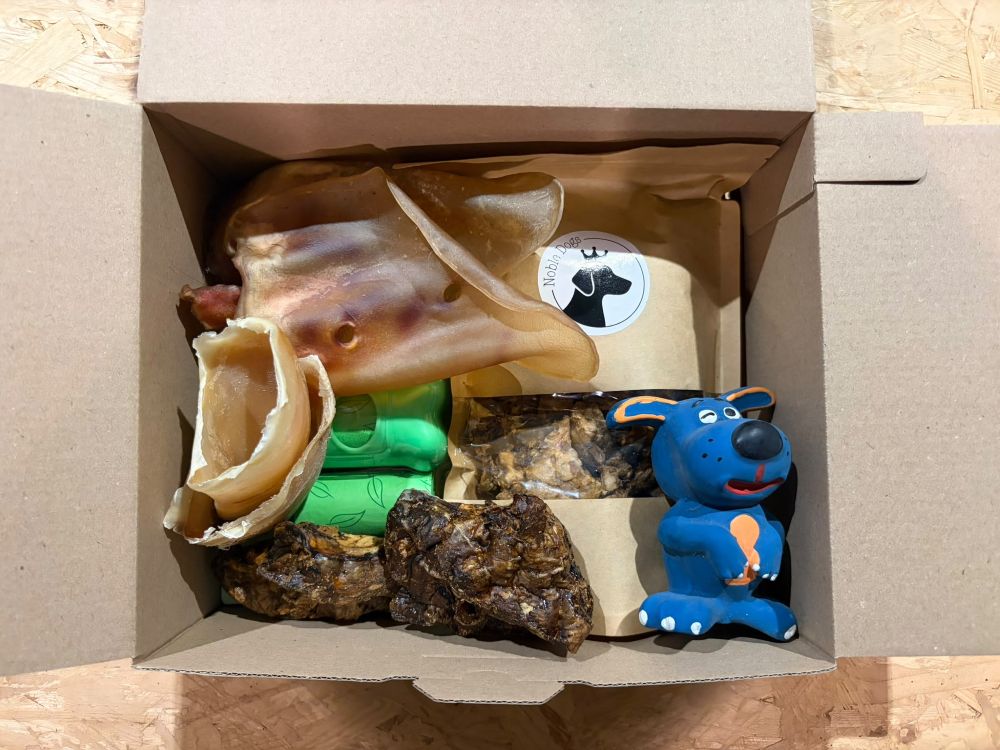
Did you purchase our optional puppy pack when you picked up your puppy? If so, you’ll immediately have some familiar food, a bag of healthy treats (specifically beef lung chews), a chew toy, and a stuffed animal with the scent of the litter at home. You can read more about this in our article on Buying a Puppy.
Your puppy will find itself in a completely new environment, with new smells, sounds, and faces. Stay calm yourself and limit the number of stimuli. Don’t invite the whole family over right away, and it’s best to postpone new experiences for a while. Let your puppy explore at its own pace, room by room, without forcing anything.
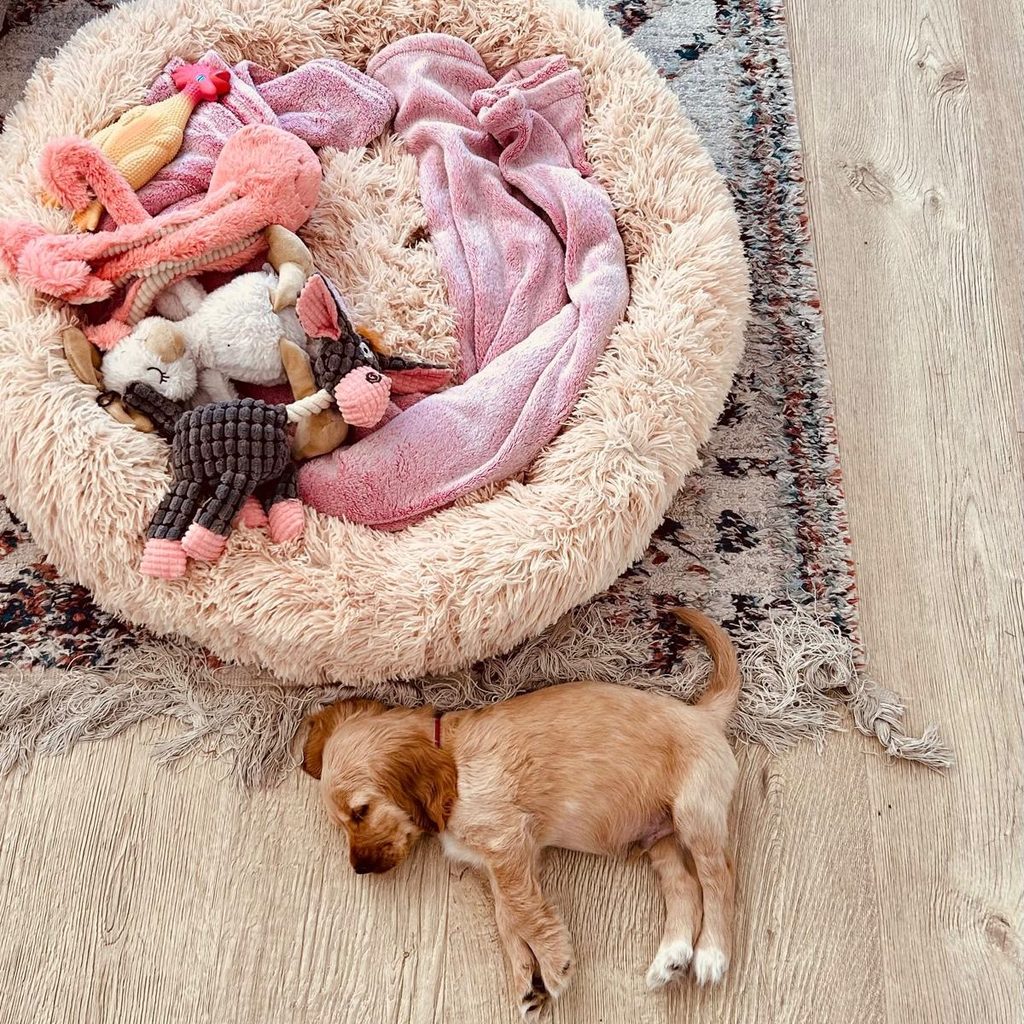
When you come to pick up your puppy, he’ll have said goodbye not only to his familiar surroundings but also to his mom and his brothers and sisters. Everything will be completely new in his new home. Your puppy has never been used to spending the night alone. So he or she’s going to feel incredibly lonely. Because of this, your puppy might cry for a few hours. Above all, be patient. It will pass, although it may take a little longer for some puppies than others. Here are a few tips:
If your puppy cries for the first 3 to 5 nights, this is completely normal. Reassure him and make him feel comfortable, but try not to give him constant attention. For a dog, it doesn’t matter whether the attention is positive or negative. He needs to learn to be alone sometimes. You can read more about this below.
You can start potty training right from day one. Keep in mind that this is a process of trial and error. You’ll need to teach your puppy not to relieve itself indoors, but to do so outdoors. It takes patience, but it’s definitely worth the effort. Here are a few tips we’d like to share about potty training your puppy.
First of all, it’s important to take your puppy outside often. Be sure to take your puppy out to the yard or patio every two hours. This gives him a chance to relieve himself outside. Do the same after he sleeps, eats, and plays.
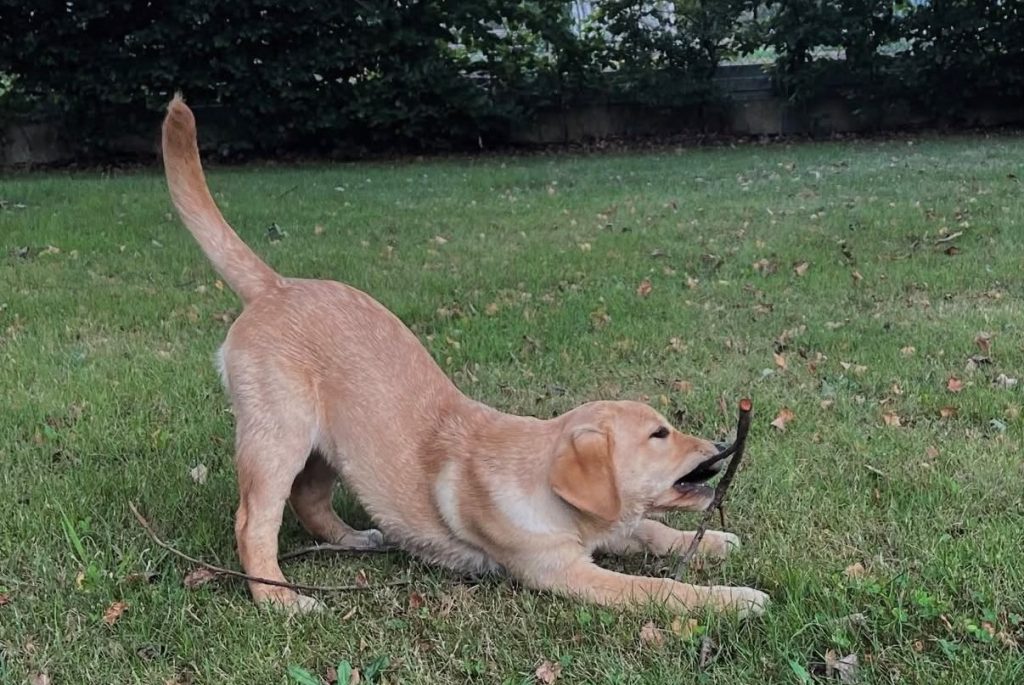
At first, puppies don’t give any signals when they need to go outside. So it’s important to learn to recognize any signals they might give. If your puppy does have an accident indoors or you see him getting ready to go, pick him up as quickly as possible and take him outside. You might already be too late, but that’s okay. Over time, the connection will be made.
Rewards are key to potty training. Reward your puppy as soon as possible—with your voice, a pat, or a treat. Find something your puppy really enjoys.
One last important tip is that you should never get angry, no matter what. This can make the puppy feel rejected, which will make the process even more difficult.
How quickly a puppy becomes fully house-trained varies greatly: for some puppies, it takes just a few days, while for others it takes several weeks. We’ll discuss this in more detail in an upcoming article on training.
Your puppy isn’t used to being left alone. So you’ll have to teach him this. You can do this by building up gradually. First, go to another room for a few minutes. Then go to the bakery. Then go out for an hour with a friend. Do all of this without your puppy. This way, he’ll gradually learn to stay home alone for longer periods. So increase the time gradually.
Our commitment doesn't end when you pick up your puppy. Do you have any questions, concerns, or just need a word of reassurance during these first few days? Contact Us Don't worry—we're happy to help. For more practical answers, you can also visit our FAQ Page.